What 120/240V split-phase means
A typical U.S. residential service provides two 120V legs that can supply 240V across both legs. A power station must explicitly document 120/240V split-phase or dual-voltage output to power compatible 240V loads. Do not infer 240V capability from a large wattage number or two 120V outlets.
Check these specifications
- Output voltage: Is 120/240V explicitly listed for the exact U.S. model?
- Continuous output: What is the rated output at 240V, and does it apply to the selected configuration?
- Surge/starting capability: What peak current, surge wattage and duration are documented?
- Outlet and connection: Does the unit have a suitable L14-30, 14-50, 6-20 or approved home-panel connection?
- Transfer equipment: Does the 240V function require a Smart Home Panel, transfer switch, hub or two synchronized units?
- Charging restrictions: Some systems limit or disable 240V output in certain AC charging modes; check the manual.
Examples in this comparison
Jackery Explorer 5000 Plus documents a 120/240V NEMA L14-30R/14-50 output. Anker SOLIX F3800 Plus documents 120/240V on its L14-30R, with a note that 240V output cannot be used while charging via 120V AC. OUPES Guardian 6000 V2 lists separate 240V and 120V output ratings. EcoFlow DELTA Pro Ultra and DELTA Pro Ultra X list 120/240V output. BLUETTI EP800/EP900 are residential systems with split-phase wiring specs.
Portable stations versus installed home batteries
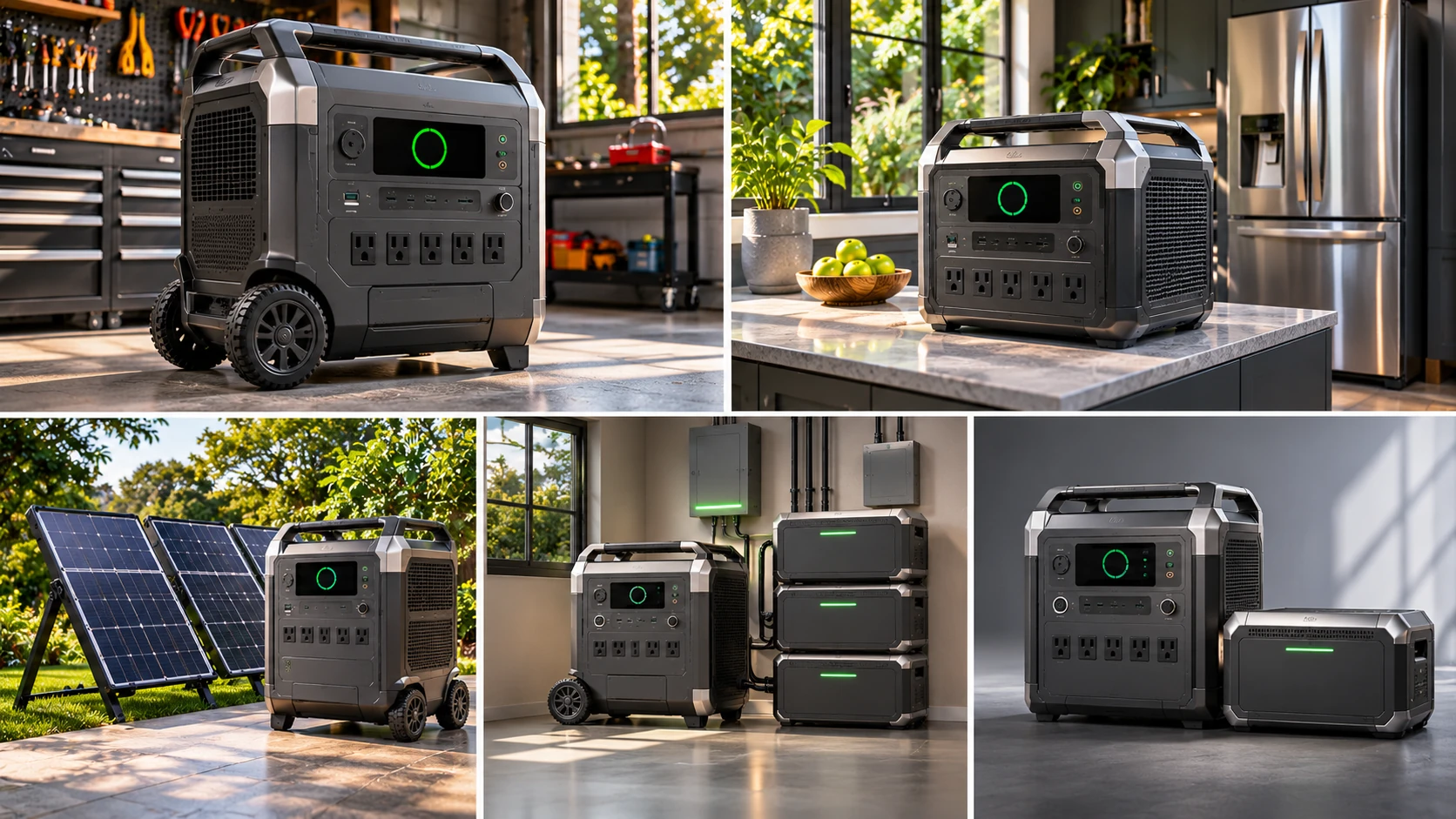
A wheeled station with an L14-30R outlet can be moved and used with compatible loads. A residential ESS such as EP800/EP900 or E10 is designed to integrate with household electrical infrastructure. Those are different product types with different requirements and costs.
Safety matters
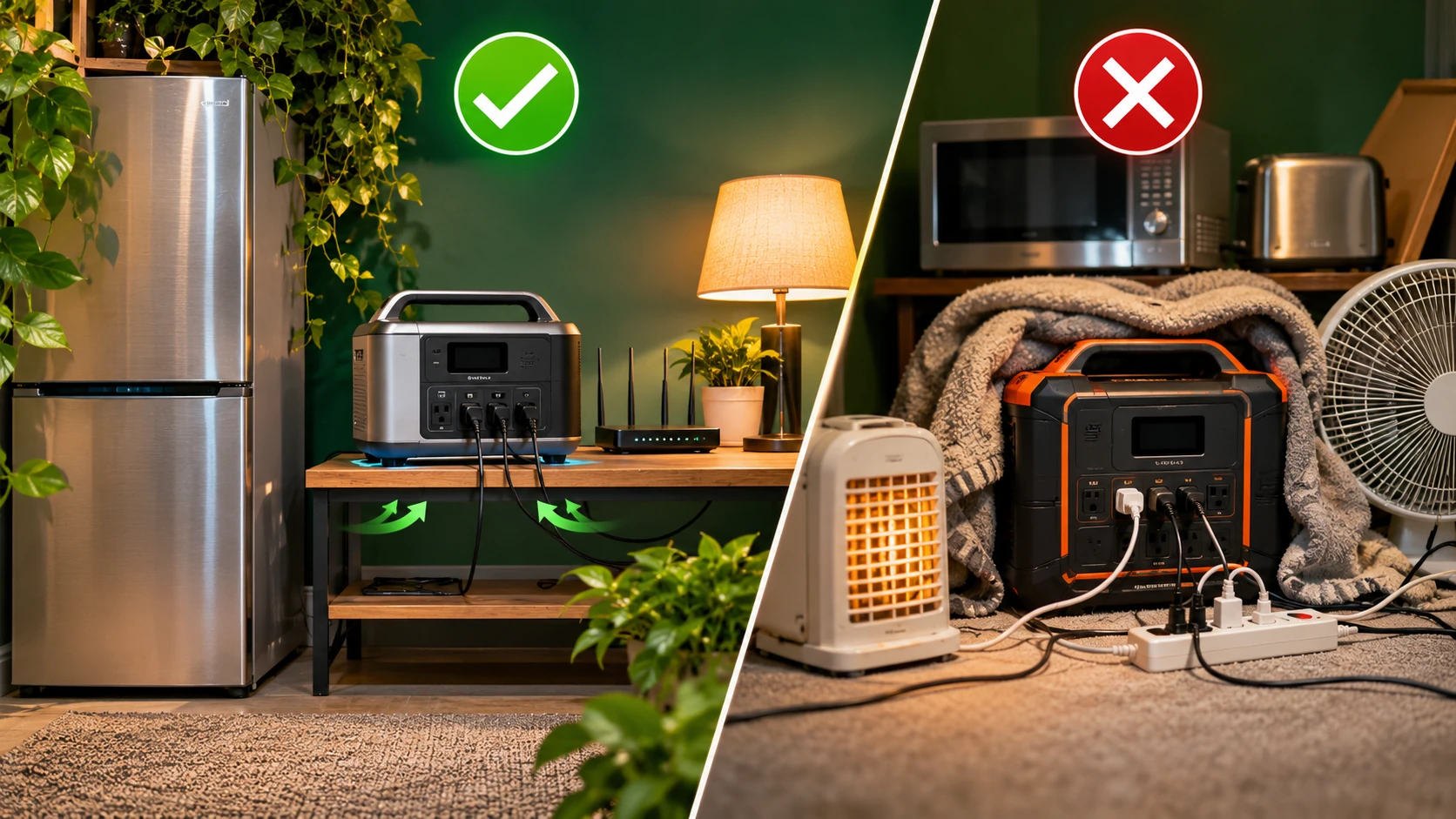
Do not use a suicide cord, backfeed a wall outlet, bypass neutral/ground requirements or improvise a connection to a main electrical panel. Household circuit integration must use the manufacturer's approved transfer equipment and comply with local electrical code, permits and utility rules. Consult a qualified electrician.
Compare 120/240V models →